
Choosing the Right Camlock Coupling for Industry Needs
Learn how to select the best camlock coupling for your application. Explore types, materials, and industry-specific factors to ensure safe, efficient connections.
CAMLOCK COUPLING
2/19/20263 min read
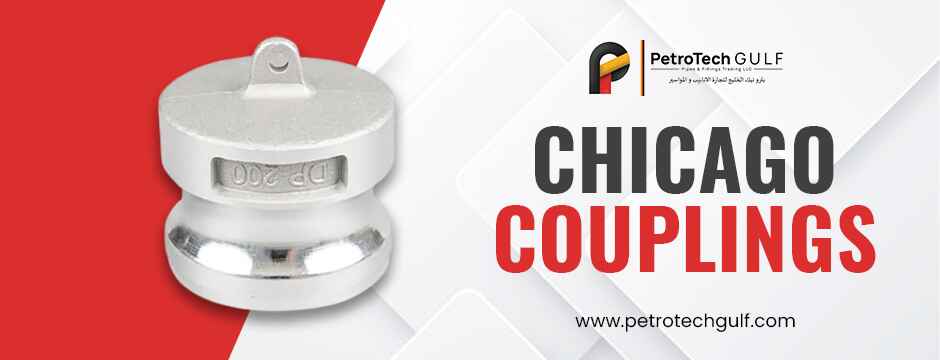
In industries where fluids, powders, and chemicals move through pipelines every second, connection reliability is everything. A small leakage or weak joint can cause downtime, product contamination, environmental damage, or even safety hazards. That’s why a Camlock Coupling—also known as cam and groove couplings—have become a trusted solution across sectors like oil & gas, agriculture, food processing, chemical manufacturing, water treatment, and construction.
Camlocks are designed for quick, secure hose and pipe connections without tools. Their simple locking mechanism ensures fast installation and removal, making them ideal for operations that demand efficiency and safety. However, choosing the wrong coupling for your industry can lead to corrosion, pressure failure, or reduced performance. In this guide, we’ll walk you through the essential considerations to help you choose the right coupling tailored to your industry’s operational needs.
Understand Your Application Requirements
Before selecting a camlock coupling, clearly define your operational conditions:
What type of media will flow through the system? (water, oil, chemicals, slurry, powders)
What is the working pressure?
What temperature range will it operate under?
Is the application indoor or outdoor?
In contrast, food processing facilities prioritise hygiene and corrosion resistance. Understanding your industry’s environment ensures the coupling performs safely and efficiently over time.
Choose the Right Material
Different industries require specific material properties.
Aluminum
Lightweight and corrosion-resistant, aluminium camlocks are commonly used in water, petroleum, and agricultural applications. They are cost-effective but not ideal for highly corrosive chemicals.
Stainless Steel
Highly durable and corrosion-resistant, stainless steel camlocks are ideal for the chemical processing, pharmaceutical, and food industries. They handle extreme temperatures and aggressive substances well.
Brass
Brass couplings are suitable for water and certain petroleum-based applications. They offer good corrosion resistance but are less common in heavy-duty industrial environments.
Polypropylene
Best suited for chemical handling and lower-pressure systems. Polypropylene camlocks are lightweight and resistant to many chemicals, but may not tolerate high temperatures.
Always verify chemical compatibility charts before making a final decision.
Consider Pressure Ratings
Each camlock coupling has a maximum working pressure. Selecting one below your system’s required pressure can result in failure and safety risks.
Key points to check:
Maximum operating pressure
Burst pressure rating
Safety factor compliance
Industries like oil refineries and petrochemical plants must pay extra attention to pressure tolerance. Always choose a coupling rated above your normal operating pressure to maintain safety margins.
Evaluate Temperature Compatibility
Temperature extremes can affect performance. High heat can weaken certain materials, while freezing conditions may cause brittleness.
For example:
Stainless steel handles high temperatures effectively.
Polypropylene may deform under excessive heat.
Aluminium performs well in moderate temperature ranges.
If your application involves steam or hot chemicals, ensure the coupling material is temperature-certified for those conditions.
Select the Correct Size and Type
Camlock couplings come in various sizes and configurations:
Type A (Male adapter x Female NPT)
Type B (Female coupler x Male NPT)
Type C (Female coupler x Hose shank)
Type D (Female coupler x Female NPT)
Type E (Male adapter x Hose shank)
Type F (Male adapter x Male NPT)
Dust caps and plugs
Choosing the correct size ensures leak-free performance. Always match:
Hose inner diameter (ID)
Pipe thread standards (BSP or NPT)
Flow capacity requirements
Incorrect sizing may lead to pressure drops, leaks, or mechanical stress.
Industry-Specific Compliance & Standards
Different sectors require regulatory compliance:
Food and beverage industries may require FDA-approved materials.
Chemical plants may require corrosion-resistant certifications.
Ensure the Chicago couplings meet the standards relevant to your region and industry.
Assess Durability and Maintenance Needs
Frequent coupling and decoupling require durable locking arms and secure seals. Look for:
Heavy-duty cam arms
High-quality gaskets (Buna-N, EPDM, PTFE)
Corrosion-resistant finish
Replacing worn gaskets promptly prevents leakage and contamination.
Environmental and Safety Considerations
If your operations involve hazardous chemicals or flammable fluids, safety becomes the top priority. Choose couplings that:
Provide tight sealing mechanisms
Resist accidental disconnection
Withstand vibration and mechanical stress
Additionally, consider dust caps and plugs to prevent contamination when the coupling is not in use.
Cost vs. Long-Term Value
While it may be tempting to select a lower-cost coupling, investing in high-quality materials often reduces long-term operational risks. Downtime, spills, and replacements can cost far more than the initial price difference.
Evaluate:
Lifecycle cost
Maintenance frequency
Replacement intervals
Safety risk mitigation
A slightly higher upfront investment often delivers better reliability and durability.
Work with a Reliable Supplier
Even the best product selection can fail if sourced from an unreliable supplier. Choose a supplier that offers:
Verified material certifications
Pressure test reports
Industry-specific expertise
Technical support
A knowledgeable supplier can guide you through complex specifications and help match the correct camlock coupling to your industrial needs.
End Words
Choosing the right camlock coupling for your industry is not just about connecting hoses—it’s about ensuring operational efficiency, safety, and long-term reliability. By carefully evaluating material compatibility, pressure ratings, temperature resistance, compliance standards, and application requirements, you can avoid costly failures and downtime.
For premium-grade camlock solutions designed to meet diverse industrial demands, explore the wide range available at PetroTech Gulf. Our expertise and product quality can help you find the perfect coupling solution tailored to your industry’s exact requirements.
Contact
location
© 2026. All rights reserved.
Quick links