Why Quality Pipes Matter in Construction ?
Discover why quality pipes and pipe fittings matter in modern construction and how PetroTech Gulf ensures durability, safety, and long-term performance.
PIPE AND PIPE FITTINGS
1/19/20264 min read
Modern construction is no longer just about creating structures that look impressive; it is about building systems that are safe, durable, efficient, and future-ready. Among all the visible and invisible components that make a building function smoothly, pipes and pipe fittings play a surprisingly critical role. They are the backbone of essential systems such as water supply, drainage, gas distribution, HVAC, fire protection, and industrial fluid handling.
Despite their importance, pipes and fittings are often overlooked during planning and procurement, sometimes treated as commodities rather than engineered products. This mindset can lead to serious consequences—leaks, pressure failures, corrosion, contamination, structural damage, and costly repairs. In contrast, investing in high-quality pipes and fittings ensures long-term performance, safety compliance, and operational efficiency. In this blog, we explore why quality pipe and pipe fittings matter in modern construction and how they impact safety, durability, sustainability, and cost-effectiveness.
The Role of Pipes and Fittings in Construction
Pipes and pipe fittings form interconnected networks that transport fluids and gases throughout a building or facility. While pipes carry the medium, fittings—such as elbows, tees, reducers, flanges, and couplings—ensure proper direction, connection, and flow control. Together, they create a system that must operate seamlessly under varying pressures, temperatures, and environmental conditions.
In modern construction, these systems are expected to perform reliably for decades. Any weakness in material or design can compromise the entire structure, making quality an essential requirement rather than an optional upgrade.
Safety: A Non-Negotiable Priority
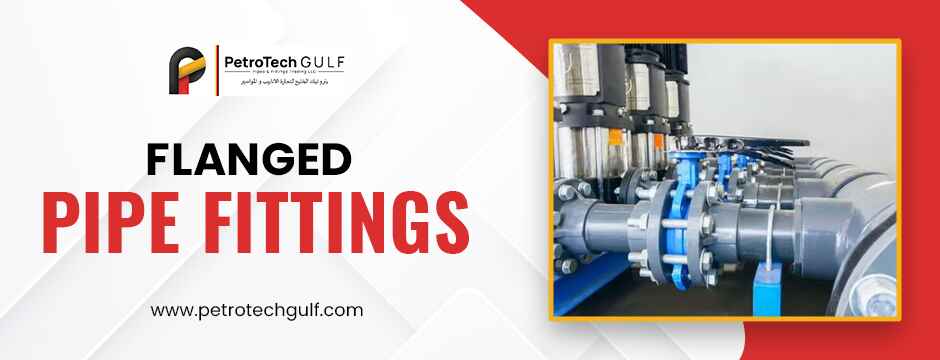
One of the most critical reasons flanged pipe fittings matter is safety. Inferior materials or poorly manufactured fittings can crack, burst, or corrode over time. In residential buildings, this may result in water damage or health risks due to contamination. In commercial or industrial settings, failures can be far more severe, leading to gas leaks, chemical spills, fire hazards, or system shutdowns.
High-quality pipes and fittings are designed and tested to meet industry standards and safety codes. They can withstand pressure fluctuations, temperature extremes, and chemical exposure without compromising integrity. This reliability protects not only the structure but also the people who live, work, or operate within it.
Durability and Long-Term Performance
Construction projects are long-term investments, and durability is a key measure of their success. Quality pipe and pipe fittings are manufactured using robust materials such as carbon steel, stainless steel, alloy steel, or advanced polymers, depending on the application. These materials resist wear, corrosion, and fatigue, ensuring consistent performance over time.
Low-quality alternatives may seem cost-effective initially, but they often degrade faster, leading to frequent maintenance, replacements, and downtime. Over the lifespan of a building, the cost of repeated repairs can far exceed the initial savings. Quality piping systems, on the other hand, provide peace of mind and predictable performance for decades.
Efficiency and System Reliability
Modern buildings rely on efficient systems to reduce operational costs and improve user comfort. Quality pipes and fittings are engineered for optimal flow, minimal friction loss, and precise connections. This improves overall system efficiency, whether it is water distribution, heating and cooling, or industrial fluid transport.
Poor-quality fittings can cause pressure drops, turbulence, and leaks, forcing pumps and equipment to work harder. This not only increases energy consumption but also accelerates wear on mechanical components. By choosing quality piping solutions, construction professionals ensure smoother operation and reduced energy waste.
Compliance with Codes and Standards
Construction today is governed by strict local and international codes related to safety, environmental impact, and performance. Using substandard pipes or fittings can result in non-compliance, leading to project delays, legal penalties, or even forced rework.
Quality manufacturers adhere to recognised standards such as ASTM, ASME, ISO, and other regulatory requirements. This ensures that their products are suitable for specific applications and approved for use in regulated environments. Compliance also simplifies inspections and approvals, keeping projects on schedule and within budget.
Resistance to Corrosion and Environmental Factors
Corrosion is one of the leading causes of piping system failure, especially in harsh environments such as coastal areas, industrial zones, or underground installations. Quality pipes and fittings are designed with corrosion resistance in mind, using appropriate materials, coatings, and treatments.
In modern construction, sustainability and longevity are closely linked. Pipes that resist corrosion reduce the need for replacements, minimise material waste, and lower the environmental footprint of a project. This makes quality piping systems an important contributor to sustainable construction practices.
Cost-Effectiveness Over the Project Lifecycle
While high-quality pipes and fittings may have a higher upfront cost, they offer significant savings over the project lifecycle. Reduced maintenance, fewer failures, lower energy consumption, and longer service life all contribute to a better return on investment.
From a developer’s perspective, quality piping systems enhance the value of a property. For facility managers, they reduce operational headaches. For occupants, they ensure uninterrupted access to essential services. When evaluated holistically, quality always proves to be the more economical choice.
Supporting Modern Construction Trends
Modern construction increasingly incorporates smart technologies, prefabrication, and modular systems. Quality pipes and fittings are essential for these approaches to succeed. Precision manufacturing ensures compatibility with prefabricated assemblies, while reliable materials support advanced monitoring and automation systems.
As buildings become more complex and interconnected, the margin for error shrinks. Quality components provide the consistency and reliability required to support innovation in construction methods and design.
Final Words
A quality pipe and pipe fittings are not just supporting components; they are fundamental to the safety, efficiency, and longevity of modern construction projects. From ensuring reliable fluid transport to meeting regulatory standards and supporting sustainable practices, their impact is far-reaching. Choosing quality over shortcuts protects investments, enhances performance, and reduces long-term risks.
For construction professionals, contractors, and project owners seeking dependable piping solutions that meet modern demands, PetroTech Gulf stands out as a trusted partner. With a strong focus on quality, compliance, and performance, we provide pipes and pipe fittings designed to deliver reliability across diverse construction and industrial applications.
Contact
location
© 2026. All rights reserved.
Quick links