
Economic Importance of Oil and Gas in Emerging Markets
Explore the economic importance of oil and gas in emerging markets, driving growth, energy security, infrastructure development, and global trade expansion.
OIL AND GASOIL AND GAS COMPANIES
2/27/20264 min read
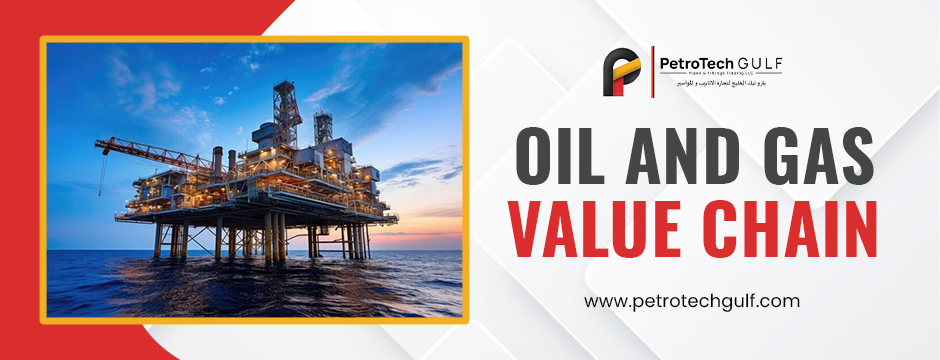
In an era defined by rapid economic transformation, emerging markets are at the forefront of global growth narratives. Central to this development story is the oil and gas sector—a powerful engine fueling industrial expansion, government revenues, and energy security. For many emerging economies across Africa, Asia, and Latin America, oil and gas resources are not merely commodities; they represent critical strategic assets that shape national development, attract foreign investment, and support pivotal infrastructure projects.
Unlike mature economies with diversified energy portfolios, emerging markets often depend heavily on hydrocarbon production and exports to generate foreign exchange earnings and fiscal stability. Revenues from oil and gas can finance healthcare systems, education, transportation infrastructure, and job creation—all essential components of sustainable development. Simultaneously, these resources play a dominant role in powering domestic energy needs, underpinning industrial growth, and enabling broader economic diversification.
Revenue Generation and Fiscal Stability
Oil and gas industries are significant revenue drivers in many emerging markets. Governments often rely on taxes, royalties, and production sharing agreements to fund public budgets. In countries such as Nigeria, Angola, and Kazakhstan, hydrocarbon revenues account for a substantial portion of national income.
These earnings enable governments to finance essential services such as healthcare, education, and infrastructure development. For example, export revenues from oil form a sizable share of foreign exchange reserves, providing economic stability and cushioning against external shocks. In times of global uncertainty—such as fluctuating commodity prices or geopolitical tensions—oil and gas revenues can help stabilise budgets and safeguard economic growth.
Job Creation and Human Capital Development
The oil and gas sector is a powerful job creator in emerging markets, both directly and indirectly. From upstream exploration and drilling to downstream refining and distribution, the industry supports a wide range of employment opportunities. Skilled engineering, technical, and managerial roles contribute to the development of human capital and technical expertise within national workforces.
Indirectly, the presence of a strong oil and gas industry stimulates jobs in related sectors such as construction, transportation, logistics, and services. Local enterprises benefit from contracts and supply chain engagements, fostering broader economic development beyond energy production.
Foreign Direct Investment (FDI) and Technology Transfer
Oil and gas value chain resources attract foreign direct investment (FDI) into emerging markets, bringing capital, expertise, and advanced technologies. Major international energy companies often enter strategic partnerships with national oil companies or government entities, injecting billions of dollars into exploration and production projects.
This influx of capital accelerates infrastructure development, enhances geological and seismic research capabilities, and stimulates industrial growth. Technology transfer plays a crucial role, especially when international firms introduce state-of-the-art equipment, drilling techniques, and environmental safety standards.
Infrastructure Development
Oil and gas projects often serve as catalysts for broader infrastructure expansion. Exploration, extraction, and transportation activities require extensive networks of pipelines, storage facilities, ports, and refineries. These investments, often driven by leading oil and gas companies, expand a country’s physical infrastructure footprint and improve connectivity.
For example, pipeline networks not only serve the energy sector but can be adapted for water, gas, or other commodities. Refineries enhance local value addition by enabling domestic processing of crude oil and natural gas liquids, reducing dependency on imported fuel and boosting energy security.
Energy Security and Industrial Growth
Reliable access to energy is fundamental for industrialisation. Oil and gas provide essential feedstocks for manufacturing sectors, petrochemicals, transportation, and electricity generation. In emerging markets where electrification rates are growing rapidly, natural gas often serves as a cleaner and cost-effective alternative to coal and diesel.
By harnessing domestic hydrocarbon resources, emerging economies reduce dependency on imported fuels, improve energy self-sufficiency, and manage energy costs more effectively. This energy security enables industries to operate competitively, promoting exports and stimulating sustainable economic diversification.
Challenges and Strategic Considerations
Despite the clear economic benefits, oil and gas-dependent emerging markets face several challenges:
Commodity Price Volatility: Fluctuating global oil prices can disrupt government revenues and budget planning, particularly in countries heavily reliant on hydrocarbon exports.
Environmental and Social Impact: Hydrocarbon projects often face scrutiny over environmental degradation, carbon emissions, and community displacement. Balancing economic gains with sustainable practices is a growing priority for policymakers.
Global Energy Transition: As renewable energy adoption accelerates, emerging markets must plan for a future with lower fossil fuel demand. Diversification strategies, investments in renewables, and energy efficiency initiatives are essential to remain competitive.
Governance and Transparency: Effective management of oil and gas revenues requires strong governance frameworks to prevent corruption, misallocation, and socioeconomic inequities.
Navigating the Future: Balancing Growth and Sustainability
Emerging markets increasingly recognise the need to balance oil and gas development with sustainable economic planning. Many countries are establishing diversification strategies that leverage energy revenues to fund renewable energy projects, digital infrastructure, and human development programs.
Investments in cleaner technologies, carbon capture, and efficient resource management help oil and gas producers remain relevant in a decarbonising global economy. Policy frameworks that incentivise private sector participation, support innovation, and promote social inclusion can maximise the long-term benefits of the energy sector.
Reliable piping infrastructure plays an important role in supporting efficient oil and gas operations. Using suitable pipes and fittings helps maintain system integrity, minimize leakage risks, and ensure safe fluid transport across industrial applications.
Conclusion
The oil and gas sector remains a cornerstone of economic development in many emerging markets, driving government revenues, job creation, foreign investment, and industrial growth. While the global energy landscape evolves, thoughtful policy, strong governance, and strategic investments ensure that these resources continue to serve as engines of prosperity and progress.
For companies and stakeholders engaging in hydrocarbon exploration, production, and technology services across emerging economies, trusted partners make all the difference. Visit PetroTech Gulf to explore leading solutions and expertise that support energy projects, operational excellence, and sustainable growth in today’s dynamic oil and gas environment.
Contact
location
© 2026. All rights reserved.
Quick links