
Elbow Fittings Installation Mistakes & Fixes
Learn common elbow fittings installation mistakes and how proper installation techniques can help avoid leaks, damage, and system failure.
1/22/20263 min read
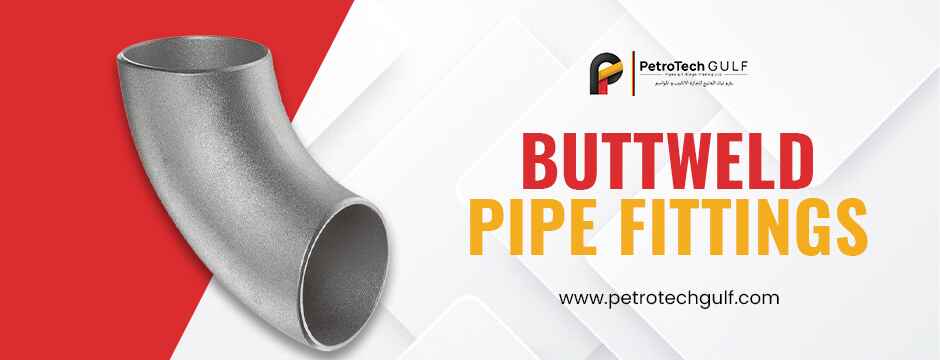
Elbow fittings are a critical component in piping systems across industries such as oil and gas, petrochemicals, construction, HVAC, and manufacturing. Designed to change the direction of fluid or gas flow—typically at 45°, 90°, or 180°—these fittings play a vital role in maintaining system efficiency, pressure integrity, and long-term durability. Despite their seemingly simple design, elbow fittings are often a point of failure when installed incorrectly.
Improper installation can lead to leaks, pressure drops, corrosion, vibration issues, and even catastrophic system breakdowns. In high-pressure or hazardous environments, such failures can result in costly downtime, safety risks, and regulatory non-compliance. Many of these problems arise not from product defects, but from avoidable installation mistakes such as poor alignment, incorrect material selection, or improper welding or threading techniques. This blog explores the frequent installation mistakes professionals make with Elbow fittings and provides practical, actionable guidance on how to avoid them.
Incorrect Alignment During Installation
The Mistake
One of the most common errors is improper alignment of elbow fittings with adjoining pipes. Misalignment introduces unnecessary stress at the joint, which can weaken connections and cause premature failure.
How to Avoid It
Always ensure pipes are properly aligned before tightening or welding the elbow fitting. Use alignment tools, pipe supports, and temporary clamps to hold pipes in place during installation. Never force an elbow into position to compensate for misaligned piping.
Using the Wrong Type of Elbow Fitting
The Mistake
Selecting an elbow fitting that is unsuitable for the application—such as choosing a threaded elbow where a butt weld elbow is required—can compromise pressure handling and system integrity.
How to Avoid It
Evaluate operating pressure, temperature, fluid type, and industry standards before selecting elbow fittings. High-pressure and critical systems typically require butt weld elbows, while threaded elbows may be suitable for low-pressure applications.
Poor Thread Engagement in Threaded Elbows
The Mistake
Over-tightening or under-tightening threaded elbow fittings can lead to leaks, thread damage, or cracking. Cross-threading is another frequent issue.
How to Avoid It
Ensure threads are clean and properly matched. Apply appropriate thread sealant or PTFE tape evenly, and tighten fittings to manufacturer-recommended torque levels. Always start threading by hand to prevent cross-threading.
Inadequate Welding Practices for Butt Weld Elbows
The Mistake
Incomplete penetration, poor weld bead formation, or contamination during welding can weaken butt weld elbow joints, leading to leaks or structural failure.
How to Avoid It
Follow certified welding procedures and ensure welders are properly qualified. Clean pipe ends thoroughly before welding, maintain correct heat input, and perform non-destructive testing (NDT) when required.
Ignoring Material Compatibility
The Mistake
Using elbow fittings made from materials incompatible with the pipe or the conveyed media can cause galvanic corrosion, chemical reactions, or rapid wear.
How to Avoid It
Match elbow fitting materials with pipe materials and the system’s chemical environment. For corrosive or high-temperature applications, use materials such as stainless steel or alloy steel as specified by engineering standards.
Improper Support Near Elbow Fittings
The Mistake
Elbow fittings experience higher stress due to directional flow changes. Lack of adequate pipe support near elbows can lead to vibration, fatigue, and joint failure.
How to Avoid It
Install pipe supports or hangers close to elbow fittings, especially in high-pressure or high-flow systems. This reduces mechanical stress and extends the life of the fitting and connected pipes.
Overlooking Thermal Expansion and Contraction
The Mistake
Failing to account for thermal expansion can place excessive stress on elbow fittings, particularly in systems with fluctuating temperatures.
How to Avoid It
Incorporate expansion joints, flexible connectors, or expansion loops into the piping design. Ensure elbow fittings are positioned to accommodate movement without excessive strain.
Skipping Pressure Testing After Installation
The Mistake
Some installers skip hydrostatic or pneumatic testing to save time, leaving hidden installation defects undetected until the system is operational.
How to Avoid It
Always conduct appropriate pressure testing after installation. Testing ensures that elbow fittings and joints are leak-free and capable of handling operational pressures safely.
Reusing Damaged or Worn Elbow Fittings
The Mistake
Reinstalling old or damaged elbow fittings can introduce weaknesses into the system, even if damage is not immediately visible.
How to Avoid It
Inspect Buttweld pipe fittings thoroughly before installation. Replace any fittings showing signs of corrosion, deformation, thread wear, or cracking. New installations should always use certified, quality-tested components.
Non-Compliance with Industry Standards
The Mistake
Ignoring standards such as ASME, ASTM, or API specifications can result in unsafe installations and regulatory issues.
How to Avoid It
Ensure elbow fittings and installation practices comply with applicable industry standards and project specifications. Documentation and traceability are essential in regulated industries like oil and gas.
Final Thoughts
Elbow fittings may appear simple, but their correct installation is crucial to the safety, efficiency, and longevity of any piping system. From alignment and material selection to welding quality and post-installation testing, each step plays a vital role in preventing leaks, failures, and costly downtime. Most installation issues stem from avoidable mistakes that can be eliminated through proper planning, skilled workmanship, and adherence to standards.
For industries that demand reliability and performance—especially oil and gas—choosing high-quality elbow fittings and following best installation practices is non-negotiable. If you are looking for robust, industry-compliant threaded and butt weld elbow fittings designed for demanding applications, explore the premium range of oil field products available at PetroTech Gulf. Investing in the right fittings and installation approach today ensures safer, more efficient operations tomorrow.
Contact
location
© 2026. All rights reserved.
Quick links