
How Ball Valves Improve Performance & Safety
Explore how ball valves deliver superior Performance and Safety in pipelines and operations, trusted by PetroTech Gulf for efficient flow control.
INDUSTRIAL VALVES
5/5/20264 min read
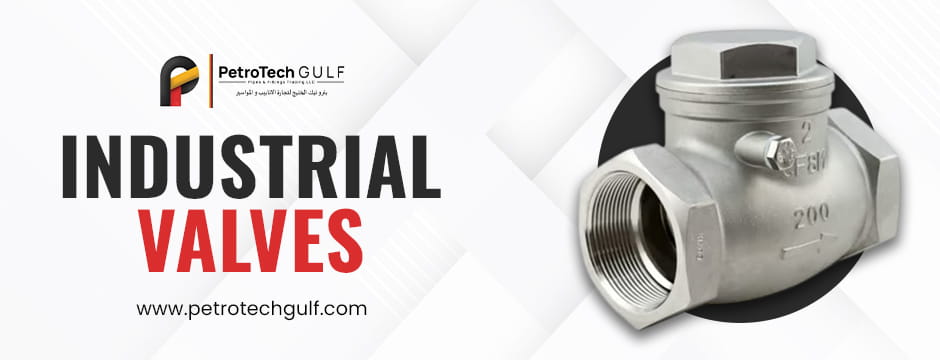
In modern industrial systems, efficiency and safety are not optional—they are critical. From oil and gas pipelines to chemical processing plants, every component must perform reliably under demanding conditions. Among these components, ball valves stand out as one of the most effective solutions for controlling fluid flow. Known for their durability, tight sealing, and quick operation, ball valves are widely used across industries that require precision and safety.
Their simple yet powerful design helps reduce operational risks, minimise leakage, and enhance overall system performance, making them a preferred choice for engineers and facility managers worldwide.
What Are Ball Valves?
Ball valves are mechanical devices used to control the flow of liquids or gases through a pipe. They operate using a spherical ball with a hole (or bore) through its centre. When the valve handle is turned, the ball rotates, either allowing fluid to pass through or blocking it completely.
The simplicity of this mechanism is what makes ball valves highly reliable. With just a quarter-turn (90 degrees), operators can quickly open or close the valve, making them ideal for situations where rapid shutoff is essential.
Key Features That Enhance Performance
Quick and Easy Operation
One of the most notable advantages of ball valves is their fast operation. Unlike gate or globe valves that require multiple turns, ball valves open or close instantly with a single quarter-turn. This efficiency reduces downtime and allows operators to respond quickly in critical situations.
Excellent Sealing Capabilities
Ball valves are designed to provide a tight seal, even after long periods of inactivity. The seats inside the valve press firmly against the ball, preventing leakage. This makes them especially valuable in industries handling hazardous or expensive fluids.
High Durability
Constructed from robust materials such as stainless steel, brass, or PVC, ball valves are built to withstand high pressure, temperature variations, and corrosive environments. Their durability ensures a long service life with minimal maintenance.
Low Maintenance Requirements
Because of their simple design and fewer moving parts, ball valves require less maintenance compared to other valve types. This reduces operational costs and increases overall system reliability.
Minimal Pressure Drop
Ball valves offer a straight flow path, which reduces resistance and minimises pressure drop across the valve. This feature improves system efficiency and ensures consistent flow rates.
How Ball Valves Improve Safety?
Leak Prevention
Leakage can lead to hazardous situations, especially in industries dealing with toxic or flammable substances. Ball valves provide a tight shut-off, significantly reducing the risk of leaks and protecting both personnel and equipment.
Reliable Shut-Off in Emergencies
In emergencies, the ability to stop fluid flow instantly is crucial. Ball valves enable rapid shut-off, helping to prevent accidents, spills, or system failures.
Resistance to Wear and Tear
Ball valves are designed to resist wear caused by frequent operation. Their sturdy construction ensures consistent performance over time, reducing the likelihood of unexpected failures.
Compatibility with Automation
Modern ball valves can be easily integrated with automated systems. Actuated ball valves allow remote operation, reducing the need for manual intervention in hazardous environments and improving worker safety.
Corrosion Resistance
In industries where corrosive chemicals are present, ball valves made from specialised materials provide added protection. This resistance ensures that the valve maintains its integrity and does not compromise safety.
Applications Across Industries
Ball valves are widely used across various industries due to their versatility and reliability.
Oil and Gas Industry
In upstream, midstream, and downstream operations, ball valves play a crucial role in controlling the flow of crude oil, natural gas, and refined products. Their ability to handle high pressure and temperature makes them indispensable in this sector.
Chemical Processing
Chemical plants require valves that can handle aggressive substances. Ball valves offer excellent chemical resistance and tight sealing, making them ideal for such applications.
Water and Wastewater Management
Ball valves are commonly used in water treatment plants and distribution systems. Their durability and low maintenance needs make them a cost-effective choice.
Power Generation
In power plants, ball valves are used to control steam and cooling water flow. Their reliability ensures uninterrupted operations and improved efficiency.
Manufacturing and Industrial Systems
From food processing to pharmaceuticals, ball valves help maintain precise flow control, ensuring product quality and safety.
Types of Ball Valves
Full Port Ball Valves
These valves have a bore diameter equal to the pipe size, allowing unrestricted flow. They are ideal for applications where minimal pressure loss is critical.
Reduced Port Ball Valves
With a smaller bore, these valves are more compact and cost-effective but may cause a slight pressure drop.
Floating Ball Valves
In this design, the ball is held in place by the valve seats. It is suitable for low to medium-pressure applications.
Trunnion-Mounted Ball Valves
These valves use additional mechanical anchoring to support the ball, making them suitable for high-pressure and large-diameter systems.
V-Port Ball Valves
Designed for precise flow control, V-port Industrial Valves allow better regulation compared to standard on/off valves.
Choosing the Right Ball Valve
Selecting the right ball valve depends on several factors:
Application Requirements: Consider the type of fluid, pressure, and temperature.
Material Compatibility: Ensure the valve material is suitable for the operating environment.
Size and Flow Rate: Choose a valve that matches your system’s specifications.
Automation Needs: Determine whether manual or automated operation is required.
Compliance Standards: Ensure the valve meets industry safety and quality standards.
Making the right choice can significantly improve both performance and safety in your system.
Future Trends in Ball Valve Technology
The valve industry is evolving with advancements in technology. Smart valves equipped with sensors and IoT capabilities are becoming increasingly popular. These valves provide real-time data on performance, helping operators detect issues early and optimise system efficiency.
Additionally, innovations in materials and design are making ball valves more durable and resistant to extreme conditions. As industries continue to prioritise safety and efficiency, the demand for advanced ball valve solutions is expected to grow.
Final Thoughts
Ball valves have proven to be a vital component in modern industrial systems, offering unmatched performance, reliability, and safety. Their quick operation, excellent sealing, and durability make them a preferred choice across a wide range of applications. By reducing leakage, enabling rapid shut-off, and requiring minimal maintenance, they contribute significantly to operational efficiency and risk reduction.
For industries seeking high-quality, reliable valve solutions, exploring trusted providers is essential. Discover advanced and durable industrial valve solutions at PetroTech Gulf to enhance your system’s performance and safety with confidence.
Contact
location
© 2026. All rights reserved.
Quick links