How Smart Valves Are Transforming Industrial Control
Discover how Smart Valves are transforming industrial control by improving efficiency, automation, monitoring, and system reliability.
INDUSTRIAL VALVES
1/30/20264 min read
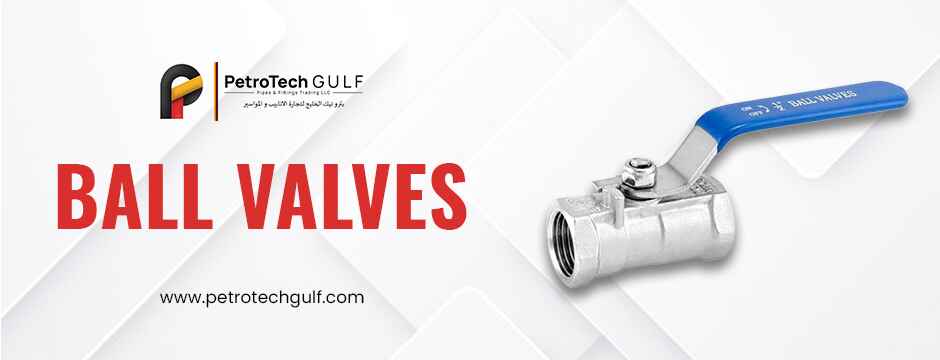
Industrial valves have always been a critical component in manufacturing, energy, oil & gas, water treatment, and process industries. Traditionally, valves were mechanical devices designed to control the flow of liquids, gases, or slurries through pipelines and systems. While reliable, conventional valves often required manual intervention, routine inspections, and reactive maintenance—leading to downtime, inefficiencies, and increased operational costs.
Today, the industrial landscape is undergoing a digital transformation driven by Industry 4.0, automation, and the Industrial Internet of Things (IIoT). At the centre of this evolution are smart valves—advanced valve systems equipped with sensors, actuators, and digital communication capabilities. These intelligent valves do much more than simply open or close; they collect real-time data, self-monitor performance, communicate with control systems, and even predict failures before they occur. In this blog, we explore what smart industrial valves are, how they work, and why they are rapidly becoming indispensable in modern industrial control systems.
What Are Smart Industrial Valves?
Smart industrial valves are digitally enabled flow-control devices that integrate traditional valve mechanisms with modern electronics and software. Unlike standard valves, smart valves are fitted with sensors that measure parameters such as pressure, temperature, flow rate, vibration, and valve position.
These valves are typically connected to centralised control systems like SCADA, DCS, or PLCs via industrial communication protocols. The result is a valve that not only controls flow but also provides continuous feedback, enabling operators to make data-driven decisions. In essence, smart valves transform passive mechanical components into active, intelligent assets within an industrial ecosystem.
Key Technologies Behind Smart Valves
Several advanced technologies make smart valves possible:
Integrated Sensors: Sensors continuously monitor operating conditions, ensuring accurate flow control and early detection of anomalies.
Actuators with Digital Control: Electric or pneumatic actuators allow precise positioning and remote operation, eliminating the need for manual adjustments.
IIoT Connectivity: Smart valves can transmit data to cloud-based platforms or plant control systems for real-time monitoring and analytics.
Embedded Software & Analytics: Built-in diagnostics analyse performance trends, enabling predictive maintenance and fault detection.
Cybersecure Communication Protocols: Modern smart valves use secure industrial protocols to ensure reliable and safe data exchange.
How Smart Valves Are Transforming Industrial Control?
Enhanced Process Efficiency
Smart valves provide precise and automated control over flow rates and pressures. This level of accuracy minimises process variability, improves product quality, and reduces waste. Industries such as chemical processing and pharmaceuticals benefit greatly from consistent and repeatable operations enabled by intelligent valve control.
Predictive Maintenance and Reduced Downtime
One of the most significant advantages of smart valves is predictive maintenance. By continuously monitoring valve health indicators like wear, vibration, or response time, smart valves can alert operators before a failure occurs.
This proactive approach helps prevent unexpected breakdowns, reduces maintenance costs, and significantly lowers unplanned downtime—a major concern in continuous-process industries.
Improved Safety and Risk Management
In high-risk industries such as oil & gas or power generation, valve failure can lead to catastrophic consequences. Smart valves enhance safety by detecting abnormal operating conditions in real time and triggering automated shutdowns or alarms.
Remote operation capabilities also reduce the need for personnel to access hazardous areas, further improving workplace safety.
Energy Optimisation and Sustainability
Inefficient flow control often leads to energy loss. Smart Ball Valves optimise flow dynamics, ensuring pumps and compressors operate at ideal conditions. This results in lower energy consumption and reduced carbon emissions.
As industries strive to meet sustainability goals and regulatory requirements, smart valves play a key role in improving overall energy efficiency.
Real-Time Monitoring and Control
With smart valves, operators gain real-time visibility into system performance. Data dashboards provide insights into valve status, flow trends, and process stability, enabling faster response to process changes.
Remote access also allows centralised control of geographically dispersed facilities, which is especially valuable for pipelines, utilities, and large industrial plants.
Industry Applications of Smart Valves
Oil & Gas: Used in upstream, midstream, and downstream operations to ensure safe and efficient flow control under extreme conditions.
Water & Wastewater Treatment: Smart valves help regulate flow, detect leaks, and optimise treatment processes while conserving water and energy.
Power Generation: From steam control in thermal plants to cooling systems in renewables, smart valves improve reliability and efficiency.
Chemical & Process Industries: Precise flow control and continuous monitoring are critical for maintaining quality and compliance.
Manufacturing & Automation: Smart valves integrate seamlessly with automated production lines for better throughput and reduced manual intervention.
Smart Valves and Industry 4.0
Smart valves are a cornerstone of Industry 4.0 initiatives. Their ability to generate actionable data makes them integral to digital twins, advanced analytics, and AI-driven optimisation.
When combined with machine learning and cloud platforms, smart valves enable industries to move from reactive to autonomous operations—where systems self-adjust for optimal performance with minimal human input.
Challenges in Adopting Smart Valves
Despite their advantages, adopting smart valves can present challenges:
Higher initial investment compared to traditional valves
Need for skilled personnel to manage digital systems
Integration with legacy infrastructure
Cybersecurity considerations
However, the long-term benefits—reduced downtime, lower maintenance costs, improved efficiency, and enhanced safety—often outweigh these challenges.
The Future of Industrial Valves
The future of industrial valves is undeniably smart. As sensor technology becomes more affordable and digital infrastructure continues to expand, smart valves will become standard rather than optional.
We can expect further advancements such as AI-driven self-learning valves, deeper integration with digital twins, and fully autonomous flow control systems. These innovations will continue to push industries toward safer, more efficient, and more sustainable operations.
End Words
Smart Industrial Valves are revolutionising industrial control by transforming traditional flow-control devices into intelligent, data-driven assets. With capabilities such as real-time monitoring, predictive maintenance, enhanced safety, and energy optimisation, they are reshaping how industries operate in the era of automation and Industry 4.0.
For businesses looking to upgrade their flow control systems with reliable, high-quality industrial valves that meet modern operational demands, exploring trusted suppliers is essential. To learn more about advanced industrial valve solutions and applications, visit PetroTech Gulf and take a step toward smarter, more efficient industrial control systems.
Contact
location
© 2026. All rights reserved.
Quick links