Industrial Valves for Flow Regulation and Safety | PetroTech Gulf
Discover industrial valves designed for Flow Regulation and Safety. PetroTech Gulf delivers reliable solutions for efficient operations.
INDUSTRIAL VALVES
6/19/20264 min read
Industrial valves are among the most critical components in modern industrial systems. Whether in oil and gas facilities, chemical processing plants, water treatment facilities, power generation stations, or manufacturing units, valves play a vital role in controlling the movement of liquids, gases, and slurries.
Their ability to regulate flow, isolate equipment, prevent backflow, and maintain system pressure makes them indispensable for operational efficiency and workplace safety. As industries continue to adopt advanced automation and process control technologies, the demand for reliable industrial valves continues to grow. Understanding the functions, types, and benefits of industrial valves helps organisations select the right solutions for their specific operational requirements.
Understanding Industrial Valves
Industrial valves are mechanical devices designed to regulate, direct, or control the flow of fluids within pipelines and processing systems. They function by opening, closing, or partially obstructing flow passages to achieve desired operational outcomes. Valves are essential for maintaining process stability, protecting equipment, and ensuring compliance with safety standards across industrial environments.
Modern industrial valves are available in numerous designs and configurations to accommodate different operating conditions, pressures, temperatures, and fluid characteristics. Their selection depends on factors such as flow requirements, media compatibility, environmental conditions, and maintenance considerations.
Why Industrial Valves Are Essential?
Flow Control and Process Optimisation
One of the primary functions of industrial valves is controlling fluid flow within a system. Precise flow regulation helps maintain production quality, optimise resource utilisation, and improve overall operational efficiency. Industries rely on valves to manage flow rates, pressure levels, and directional control in critical processes.
Safety and Risk Management
Industrial operations often involve hazardous materials, high-pressure systems, and extreme temperatures. Properly selected valves act as critical safety barriers by isolating equipment, preventing leaks, and relieving excess pressure. Pressure relief valves, in particular, protect systems from potentially catastrophic overpressure situations.
Equipment Protection
Valves help protect pumps, compressors, pipelines, and processing equipment from damage caused by reverse flow, pressure surges, or operational disturbances. Check valves, for example, prevent unwanted backflow that could compromise system performance and equipment integrity.
Regulatory Compliance
Many industries must adhere to strict safety and environmental regulations. Proper valve selection and maintenance contribute significantly to regulatory compliance by ensuring safe operation and minimising the risk of environmental contamination.
Common Types of Industrial Valves
Ball Valves
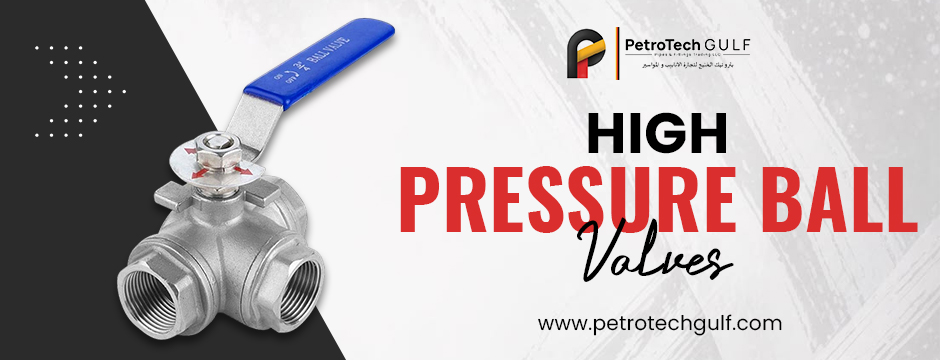
Ball valves are among the most widely used High pressure ball valves due to their simple design, durability, and quick operation. They utilise a rotating ball with a bore that allows or blocks fluid flow. These valves are highly effective for shutoff applications and can handle various liquids and gases.
Key Benefits:
Fast quarter-turn operation
Excellent sealing performance
Low maintenance requirements
Suitable for high-pressure applications
Gate Valves
Gate valves operate using a gate-like disc that moves vertically to start or stop flow. They are commonly used when full flow capacity and minimal pressure drop are required. Gate valves are generally preferred for isolation rather than throttling applications.
Applications:
Oil and gas pipelines
Water distribution systems
Power generation facilities
Globe Valves
Globe valves are specifically designed for flow regulation and throttling. Their internal design allows precise adjustment of flow rates, making them ideal for applications requiring accurate control.
Advantages:
Superior throttling capability
Accurate flow control
Reliable performance under varying conditions
Butterfly Valves
Butterfly valves use a rotating disc to regulate flow. Their compact design and lightweight construction make them a popular choice for large-diameter pipelines and space-constrained installations.
Benefits:
Cost-effective solution
Easy installation
Quick operation
Reduced space requirements
Check Valves
Check valves allow fluid flow in one direction while preventing reverse flow. They operate automatically without external intervention and provide essential protection for pumps and other equipment.
Common Uses:
Water treatment facilities
Chemical processing plants
Pumping systems
Pressure Relief Valves
Pressure relief valves are critical safety devices that automatically release excess pressure when system limits are exceeded. They help prevent equipment failure, explosions, and operational hazards.
Industrial Applications of Valves
Oil and Gas Industry
The oil and gas sector relies heavily on industrial valves for exploration, production, refining, and transportation processes. Valves help manage high-pressure fluids, isolate equipment, and ensure safe operation throughout the supply chain.
Water and Wastewater Treatment
Valves are essential in water treatment plants for controlling water flow, chemical dosing, filtration processes, and distribution networks. Their reliability directly impacts water quality and operational efficiency.
Power Generation
Power plants utilise industrial valves to regulate steam, cooling water, and fuel systems. High-performance valves ensure efficient energy production while maintaining safety under demanding operating conditions.
Chemical Processing
Chemical facilities require specialised valves capable of handling corrosive substances, extreme temperatures, and aggressive operating environments. Material compatibility and leak prevention are critical considerations in these applications.
Manufacturing and Industrial Production
Manufacturing facilities use valves in production lines, compressed air systems, hydraulic systems, and process automation applications. Their role in maintaining consistent operating conditions contributes to product quality and productivity.
Key Factors to Consider When Selecting Industrial Valves
Choosing the right valve requires careful evaluation of several factors:
Fluid Characteristics
The nature of the fluid being handled—including temperature, pressure, viscosity, and corrosiveness—plays a major role in valve selection.
Operating Conditions
Valves must be capable of performing reliably under the expected pressure and temperature ranges of the application.
Flow Requirements
Different applications require varying levels of flow control, ranging from simple on/off operation to precise modulation.
Material Compatibility
Valve materials must resist corrosion, wear, and chemical attack from the process media.
Maintenance Requirements
Selecting valves with accessible designs and minimal maintenance needs can reduce long-term operating costs.
The Future of Industrial Valve Technology
Advancements in industrial automation are driving innovation in valve technology. Smart valves equipped with sensors, diagnostics, and predictive maintenance capabilities are becoming increasingly common. These intelligent systems provide real-time performance data, improve operational efficiency, and help reduce unplanned downtime.
Additionally, digital monitoring solutions are enabling industries to optimise maintenance schedules and detect potential valve issues before they escalate into costly failures. The integration of advanced monitoring technologies is expected to play a significant role in the future of industrial flow control systems.
Conclusion
Industrial valves serve as the backbone of flow regulation and safety across countless industries. From controlling fluid movement and maintaining pressure to protecting equipment and ensuring regulatory compliance, these essential components support reliable and efficient operations. Whether a facility requires ball valves, gate valves, butterfly valves, globe valves, or pressure relief valves, selecting high-quality solutions is critical for long-term performance and safety.
For organisations seeking dependable industrial valve solutions, PetroTech Gulf offers a comprehensive range of industrial valves designed to meet the demanding requirements of modern industries. Our expertise, quality products, and commitment to reliability make us a trusted partner for businesses looking to optimise flow control, improve safety, and enhance operational efficiency.
Contact
location
© 2026. All rights reserved.
Quick links