
Pipe & Pipe Fittings for Safe Fluid Transport Guide
Discover how pipe and pipe fittings ensure Safe Fluid Transport. PetroTech Gulf provides reliable solutions for industrial fluid systems.
PIPE FITTINGSPIPE JOINTPIPE AND PIPE FITTINGS
5/13/20264 min read
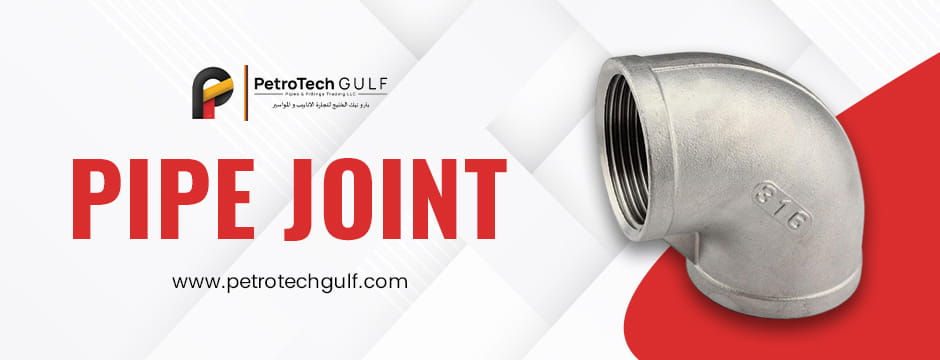
Pipes and pipe fittings are the backbone of modern industrial infrastructure. From transporting water and oil to carrying chemicals and gases, these components play a crucial role in ensuring efficient and safe fluid movement across industries. Whether it is a residential plumbing system, a large-scale refinery, or a manufacturing facility, properly designed piping systems are essential for operational reliability and safety. Choosing the right Pipe and Pipe Fittings helps prevent leaks, withstand pressure, resist corrosion, and improve overall system performance. Understanding their importance, types, materials, and applications can help industries make informed decisions that ensure long-term durability and efficiency.
Understanding Pipes and Their Importance
Pipes are hollow cylindrical structures designed to transport liquids, gases, slurries, or other materials from one location to another. They are manufactured in various sizes, materials, and thicknesses depending on the intended application. Industries such as oil and gas, petrochemicals, construction, water treatment, power generation, and manufacturing rely heavily on high-quality piping systems.
The primary function of pipes is to create a secure and efficient pathway for fluid transport. However, their role goes beyond simple transportation. Pipes also help maintain pressure, temperature stability, and flow efficiency while ensuring safety in potentially hazardous environments.
What Are Pipe Fittings?
Pipe fittings are components used to connect, terminate, control, or change the direction of piping systems. They are essential for creating a complete and functional piping network. Pipe fittings provide flexibility in installation and help customise piping systems to meet operational requirements.
Without fittings, it would be impossible to connect multiple pipe sections or adapt piping systems to different layouts. These fittings ensure smooth flow management while minimising pressure drops and leakage risks.
Common Types of Pipes
Steel Pipes
Steel pipes are widely used in industrial applications because of their strength, durability, and ability to withstand high pressure and temperature. They are commonly found in oil and gas pipelines, structural systems, and heavy industrial operations.
Stainless Steel Pipes
Stainless steel Pipe and Pipe Fittings are known for excellent corrosion resistance and durability. These pipes are ideal for industries dealing with chemicals, pharmaceuticals, food processing, and marine applications.
PVC Pipes
PVC pipes are mainly used in residential plumbing, irrigation systems, and drainage applications.
Copper Pipes
Copper pipes are popular for water supply systems due to their excellent thermal conductivity and resistance to bacterial growth. They are often used in residential and commercial plumbing systems.
HDPE Pipes
High-Density Polyethene pipes are flexible and resistant to chemicals and corrosion. They are commonly used in water distribution, gas transportation, and underground piping systems.
Essential Types of Pipe Fittings
Elbows
Elbows are used to change the direction of flow in a piping system. They are available in different angles, including 45-degree and 90-degree configurations.
Tees
Tees allow the piping system to split into two separate directions. They are commonly used where branching connections are required.
Reducers
Reducers help connect pipes of different diameters. They maintain smooth fluid flow while adapting pipe sizes.
Couplings
Couplings are used to join two pipes together. They are essential for extending pipe lengths or repairing damaged sections.
Flanges
Flanges provide a secure and detachable connection between pipes, valves, and equipment. They are widely used in industrial systems where maintenance and inspection are required.
Valves
Valves control the flow, pressure, and direction of fluids within piping systems. Different types of valves are used depending on operational needs.
Materials Used in Pipe Fittings
Selecting the right material for pipe fittings is crucial for system performance and longevity. The choice depends on factors such as temperature, pressure, fluid type, and environmental conditions.
Carbon Steel
Carbon steel fittings are strong and suitable for high-pressure industrial applications. They are commonly used in the oil and gas industries.
Stainless Steel
Stainless steel fittings offer superior corrosion resistance and are ideal for harsh chemical environments.
Brass
Brass fittings are durable and resistant to corrosion. They are often used in plumbing and water supply systems.
Plastic
Plastic fittings are lightweight and cost-effective. They are commonly used in residential and low-pressure applications.
Importance of Proper Pipe and Fitting Selection
Choosing the correct pipes and fittings is essential for ensuring operational efficiency and safety. Poor-quality materials or incorrect sizing can lead to leaks, corrosion, pressure loss, and costly system failures.
Safety Assurance
High-quality piping systems reduce the risk of accidents caused by leaks or bursts, especially in industries handling hazardous materials.
Improved Durability
Proper material selection enhances system lifespan and reduces maintenance costs.
Efficient Fluid Flow
Well-designed piping systems minimise turbulence and pressure drops, improving operational efficiency.
Corrosion Resistance
Selecting corrosion-resistant materials prevents damage caused by moisture, chemicals, or harsh environmental conditions.
Applications of Pipes and Pipe Fittings
Oil and Gas Industry
A pipe joint is critical for transporting crude oil, natural gas, and refined petroleum products over long distances.
Construction Sector
Residential and commercial buildings rely on piping systems for water supply, drainage, and HVAC systems.
Chemical Industry
Chemical plants require corrosion-resistant pipes and fittings for safely transporting aggressive substances.
Water Treatment Plants
Water distribution and wastewater treatment systems depend on durable piping infrastructure.
Power Plants
Thermal and nuclear power plants use specialised piping systems for steam, cooling water, and fuel transportation.
Factors to Consider When Choosing Pipes and Fittings
Pressure Rating
The system’s operating pressure must match the pipe and fitting specifications to prevent failures.
Temperature Resistance
High-temperature applications require materials capable of maintaining strength under heat exposure.
Corrosion Environment
Industries dealing with chemicals or moisture should prioritise corrosion-resistant materials.
Installation Requirements
The complexity of installation and maintenance should also influence product selection.
Cost and Longevity
While cheaper materials may reduce initial costs, investing in durable solutions provides long-term savings.
Maintenance of Piping Systems
Regular maintenance is essential to ensure piping systems operate safely and efficiently. Proper inspection helps identify leaks, corrosion, blockages, or structural weaknesses before they become serious issues.
Preventive maintenance practices include:
Routine inspections
Pressure testing
Corrosion monitoring
Cleaning and flushing
Replacing worn fittings
Industries that implement proactive maintenance strategies experience fewer breakdowns and improved operational reliability.
Innovations in Pipe and Fitting Technology
Modern industries are increasingly adopting advanced piping technologies to improve performance and sustainability. Innovations include:
Smart piping systems with monitoring sensors
Corrosion-resistant coatings
Lightweight composite materials
Leak detection technologies
Energy-efficient fluid transport systems
These advancements help industries optimise efficiency while reducing environmental impact and operational costs.
End Notes
Pipe and Pipe Fittings are indispensable components in fluid transport systems across countless industries. Their role in ensuring safe, efficient, and reliable transportation of liquids and gases cannot be overlooked. From selecting the right materials to maintaining proper installation and maintenance practices, every aspect of a piping system contributes to overall operational success. High-quality pipes and fittings improve durability, enhance safety, and reduce long-term costs for businesses.
For industries seeking dependable piping solutions, PetroTech Gulf offers a comprehensive range of industrial pipes, fittings, valves, and engineering products designed to meet diverse operational requirements with quality and reliability.
Contact
location
© 2026. All rights reserved.
Quick links