
How Pipe Clamps Improve Safety in Piping Systems
Learn how pipe clamps enhance piping safety, reduce vibration, and improve stability. Explore reliable solutions from PetroTech Gulf.
PIPE FITTINGSPIPE CLAMP
6/12/20264 min read
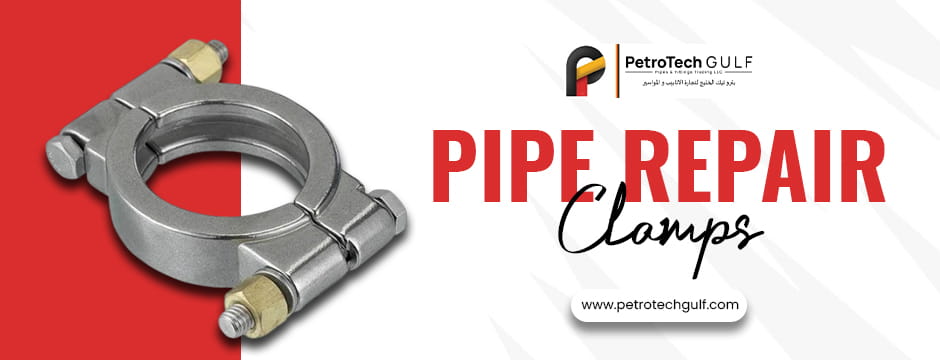
Piping systems are the backbone of numerous industries, including oil and gas, petrochemicals, manufacturing, water treatment, power generation, and construction. These systems transport fluids, gases, and chemicals under varying temperatures and pressures. While pipes themselves often receive significant attention during system design, the importance of pipe support components such as pipe clamps is sometimes overlooked.
A pipe clamp plays a critical role in ensuring the safety, stability, and long-term reliability of piping networks. By securing pipes in position, reducing vibration, and controlling movement, pipe clamps help prevent costly failures and operational disruptions. Understanding how pipe clamps contribute to piping system performance can help engineers and facility managers improve both safety and efficiency.
Understanding Pipe Clamps and Their Function
A pipe clamp is a mechanical support device designed to secure, support, align, and restrain pipes within a piping system. It holds pipes firmly in place and prevents unwanted movement caused by vibration, thermal expansion, pressure fluctuations, or external forces. Properly selected pipe clamps help maintain alignment and protect piping components from excessive stress and wear.
Pipe clamps are used in a wide range of industrial environments, including refineries, chemical plants, offshore facilities, commercial buildings, and utility infrastructure. Their primary purpose is to transfer loads safely from the pipe to the supporting structure while maintaining system integrity. Studies and industry guidance consistently highlight the importance of pipe supports and clamps in preventing movement, vibration, and structural failures in piping systems.
Enhancing System Stability
Preventing Pipe Movement
One of the most significant functions of a pipe clamp is to prevent uncontrolled pipe movement. During operation, piping systems are subjected to various forces, including fluid pressure, flow-induced vibration, thermal expansion, and external environmental loads.
Without adequate support, pipes may shift, sag, or become misaligned. Such movement can place excessive stress on joints, valves, flanges, and connected equipment. Pipe clamps provide the necessary restraint to keep pipes securely positioned, ensuring the entire system remains stable during operation.
Maintaining Proper Alignment
Alignment is essential for efficient fluid transportation and equipment performance. Misaligned pipes can create additional pressure losses, increase wear on fittings, and reduce overall system efficiency.
Pipe clamps help maintain consistent alignment throughout the piping network by holding pipes in their designated positions. This is particularly important in long pipeline runs, where even minor deviations can lead to significant operational issues over time.
Supporting Pipe Loads
Every piping system carries substantial weight, including:
The pipe itself
Transported fluids or gases
Insulation materials
Valves and fittings
Additional equipment attached to the line
Pipe clamps help distribute these loads evenly to supporting structures, preventing pipe sagging and structural stress. Proper load support significantly contributes to system longevity and operational reliability.
Improving Operational Safety
Reducing Vibration Risks
Vibration is a common challenge in industrial piping systems. Pumps, compressors, rotating machinery, and fluid turbulence can generate continuous vibrations that travel throughout the pipeline.
Excessive vibration can cause:
Fatigue cracking
Joint loosening
Seal failures
Equipment damage
Noise pollution
Pipe clamps reduce vibration by securely holding pipes in place and minimising oscillatory movement. Specialised vibration-dampening clamps can further absorb vibration energy, enhancing system stability and safety. Industry sources identify vibration control as one of the most important benefits of properly installed pipe clamps.
Preventing Leaks and Failures
Uncontrolled pipe movement often results in stress concentration at joints and connections. Over time, this stress can lead to leaks, fractures, and even catastrophic system failures.
Pipe clamps help prevent these problems by maintaining proper positioning and reducing mechanical stress on critical connection points. By minimising strain on joints and fittings, clamps contribute significantly to leak prevention and overall system safety.
Enhancing Structural Integrity
In industrial environments, piping systems may be exposed to:
Wind loads
Seismic activity
Mechanical impact
Equipment-induced vibrations
Thermal cycling
Pipe clamps provide additional structural support that helps systems withstand these challenges. By anchoring pipes securely, clamps reduce the risk of damage caused by unexpected external forces and dynamic loading conditions.
Managing Thermal Expansion and Contraction
Temperature changes cause pipes to expand and contract. In high-temperature applications such as steam systems, refineries, and power plants, thermal movement can be substantial.
If thermal expansion is not properly managed, it can result in:
Pipe distortion
Joint damage
Support failure
Excessive stress on equipment nozzles
Certain pipe clamp designs are engineered to accommodate controlled movement while still providing necessary support. These clamps allow the pipe to expand and contract safely without compromising system stability. Proper support selection is essential for managing thermal loads and maintaining safe operation.
Increasing Equipment Protection
Piping systems are often connected to expensive equipment, such as:
Pumps
Compressors
Heat exchangers
Pressure vessels
Storage tanks
Excessive pipe movement can transfer stress directly to this equipment, leading to premature wear and costly repairs.
The Pipe Repair Clamps help isolate and control these forces by supporting the pipeline independently. This reduces nozzle loads and protects critical equipment from unnecessary mechanical stress. Effective support systems play an important role in preserving equipment reliability and extending service life.
Supporting Compliance and Industry Standards
Many industries operate under strict engineering and safety standards that require proper pipe support and restraint systems. Regulatory bodies and engineering codes emphasise the importance of secure pipe support to ensure safe operation and prevent accidents.
Properly installed pipe clamps contribute to compliance by:
Maintaining structural stability
Supporting required load capacities
Preventing excessive movement
Reducing safety risks
Ensuring system reliability
Organisations that prioritise proper pipe support often experience fewer maintenance issues and improved operational performance.
Types of Pipe Clamps Used for Stability and Safety
Different applications require different clamp designs. Common types include:
U-Bolt Clamps
Widely used for supporting pipes from structural frames and support beams. They provide reliable load-bearing support and are suitable for many industrial applications.
Split Ring Clamps
These clamps fully encircle the pipe and are commonly used in vertical pipe support applications where weight transfer and stability are critical.
Riser Clamps
Designed specifically for vertical piping systems, riser clamps support pipe loads between floors and prevent downward movement in multi-story installations.
Heavy-Duty Pipe Clamps
Used in high-pressure and heavy-load environments such as oil and gas facilities, these clamps provide superior strength and durability.
Vibration-Isolating Clamps
These specialised clamps include rubber or polymer linings that reduce vibration transmission and protect pipe surfaces.
Long-Term Cost Benefits
While pipe clamps represent a relatively small portion of a piping system's overall cost, their impact on maintenance expenses can be significant.
Benefits include:
Reduced downtime
Fewer leaks and repairs
Longer equipment life
Lower maintenance costs
Improved operational reliability
Enhanced workplace safety
By preventing movement-related failures and protecting critical components, pipe clamps provide excellent long-term value for industrial operations.
Wrapping Up
A Pipe Clamp is an essential components that significantly improve the safety, stability, and performance of piping systems. By securing pipes, reducing vibration, managing thermal expansion, maintaining alignment, and protecting connected equipment, they help prevent failures that can lead to costly downtime and safety hazards. Whether used in industrial plants, commercial facilities, or infrastructure projects, selecting the right pipe clamp solution is critical for achieving long-term reliability and operational efficiency.
For high-quality industrial pipe clamps designed to meet demanding operational requirements, consider the advanced solutions available from PetroTech Gulf. Our extensive range of pipe support products helps ensure safe, stable, and durable piping systems across a wide variety of industries.
Contact
location
© 2026. All rights reserved.
Quick links