
Pipe Flange Maintenance for Leak Prevention
Discover maintenance tips for pipe flanges to prevent leaks and damage. Boost efficiency, ensure tight sealing, and reduce costly downtime.
PIPE FLANGES
2/13/20263 min read
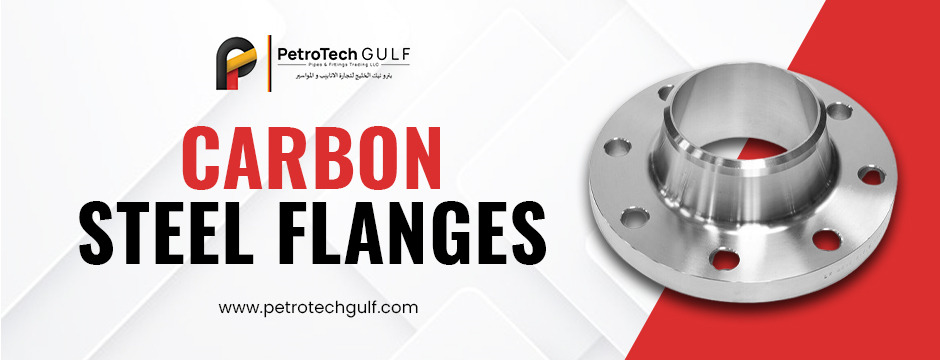
In industrial piping systems, even a minor leak can lead to major operational losses, safety risks, and costly downtime. Among all the components in a piping network, pipe flanges play a critical role in ensuring secure, leak-proof connections between pipes, valves, pumps, and other equipment. When properly maintained, flanges provide durability, strength, and flexibility for maintenance and system modifications. However, neglecting flange inspection and upkeep can result in gasket blowouts, bolt failures, corrosion damage, and eventual system breakdown.
From oil and gas facilities to chemical plants, marine environments, and water treatment systems, flanged connections must withstand high pressure, fluctuating temperatures, and corrosive substances. Over time, wear and tear, improper installation, vibration, and environmental exposure can compromise the integrity of these connections. That is why a structured maintenance strategy is essential to prevent leakage and failure. This blog explores practical, proven maintenance tips to extend the lifespan of flanges, improve operational reliability, and reduce unexpected shutdowns.
Understanding Why Flange Failures Occur
Before diving into maintenance strategies, it is important to understand common causes of flange leakage and failure:
Improper bolt tightening or uneven torque
Gasket deterioration
Corrosion and rust formation
Misalignment during installation
Vibration and thermal expansion
Use of low-quality materials
Most flange failures are not sudden—they develop gradually due to overlooked warning signs. Preventive maintenance helps identify these issues early.
Conduct Regular Visual Inspections
Look for:
Signs of corrosion or rust
Cracks on flange surfaces
Leaking fluid around gasket joints
Bolt loosening or deformation
Surface pitting
Even minor corrosion can weaken the flange face and compromise sealing performance. Schedule inspections monthly for standard operations and more frequently for high-pressure or corrosive environments.
Ensure Proper Bolt Torque and Tightening Sequence
Incorrect bolt tightening is one of the leading causes of leakage.
Best Practices:
Use calibrated torque wrenches
Follow a cross-pattern tightening method
Tighten bolts in multiple stages (not all at once)
Follow the manufacturer's torque specifications
Uneven tightening creates uneven pressure on the gasket, which can result in leaks. Periodically recheck torque levels, especially in systems exposed to vibration or thermal cycling.
Monitor and Replace Gaskets When Needed
Over time, they degrade due to:
Temperature fluctuations
Chemical exposure
Pressure changes
Aging
Signs a gasket needs replacement:
Visible cracks
Compression set
Persistent leakage despite bolt tightening
Never reuse old gaskets. Always replace them during flange disassembly to ensure optimal sealing.
Prevent Corrosion with Protective Measures
Corrosion is a major contributor to carbon steel flanges deterioration, especially in offshore and chemical environments.
Prevention Techniques:
Use corrosion-resistant materials like stainless steel
Apply protective coatings
Use flange protectors
Maintain proper drainage to avoid moisture accumulation
Implement cathodic protection if necessary
Stainless steel flanges are particularly effective in resisting corrosion, making them suitable for harsh industrial conditions.
Check Alignment During Installation and Maintenance
Misaligned flanges create uneven stress and lead to premature gasket failure.
When installing or reassembling:
Ensure pipe ends are properly aligned
Avoid forcing bolts into misaligned holes
Use alignment tools if required
Never use bolts to pull misaligned flanges together. This practice stresses both the flange and the bolts, increasing the risk of failure.
Address Vibration and Thermal Expansion
Piping systems often experience vibration from pumps and rotating equipment. Additionally, temperature fluctuations cause expansion and contraction.
Solutions:
Install vibration dampeners
Use expansion joints where needed
Periodically check bolt tightness
Inspect for fatigue cracks
Ignoring vibration can gradually loosen bolts and weaken the flange connection.
Maintain Proper Surface Finish
The flange face must be smooth and free from defects to ensure proper sealing.
During maintenance:
Clean flange faces thoroughly
Remove debris and old gasket material
Inspect for scratches or grooves
Resurface if necessary
Damaged flange faces compromise gasket performance and increase leakage risk.
Keep Detailed Maintenance Records
Documentation helps identify recurring problems and improve preventive strategies.
Record:
Inspection dates
Torque values
Gasket replacements
Corrosion treatment
Repairs performed
Maintenance logs support predictive maintenance planning and reduce unexpected breakdowns.
Use High-Quality Flanges from Trusted Suppliers
Material quality significantly impacts flange longevity. Low-grade flanges may:
Crack under pressure
Corrode quickly
Fail prematurely
Investing in high-quality stainless steel flanges ensures better resistance to pressure, corrosion, and environmental stress.
Implement Predictive Maintenance Techniques
Advanced facilities use technology to monitor flange health.
Examples include:
Ultrasonic leak detection
Thermal imaging
Acoustic emission testing
Pressure monitoring systems
These methods detect hidden issues before they escalate into critical failures.
Common Warning Signs You Should Never Ignore
Immediate action is required if you notice:
Sudden pressure drops
Fluid seepage
Hissing sounds near joints
Rust flakes around connections
Persistent odor of process fluids
Delaying repairs can lead to catastrophic system failure and safety hazards.
Benefits of Proactive Flange Maintenance
When properly maintained, pipe flanges provide:
Extended service life
Reduced downtime
Improved safety
Lower maintenance costs
Better sealing reliability
Compliance with industrial standards
Final Thoughts
Pipe flanges are small components with a massive responsibility. Their role in maintaining leak-proof piping systems cannot be underestimated. Through regular inspection, proper bolt tightening, timely gasket replacement, corrosion prevention, and quality material selection, industries can significantly reduce the risk of leakage and failure.
For operations that demand durability and corrosion resistance, investing in premium stainless steel flanges is a smart decision. If you are looking for high-quality and reliable options, explore the wide range of stainless steel flanges available at PetroTech Gulf to ensure long-lasting performance and industrial safety.
Contact
location
© 2026. All rights reserved.
Quick links