Pipe Joint Tips for Leak-Proof Connections
Discover expert pipe joint techniques for leak-proof connections. PetroTech Gulf ensures reliable solutions for long-lasting piping systems.
PIPE JOINTPIPE FITTINGS
3/27/20264 min read
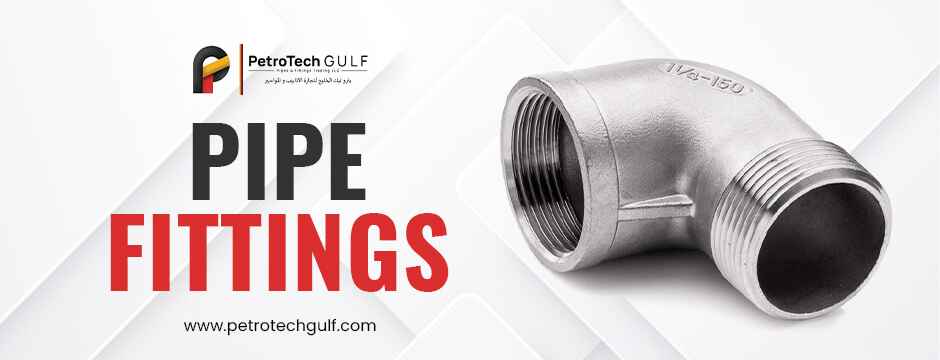
In industrial systems, plumbing networks, and large-scale infrastructure, pipe joints are the backbone of fluid and gas transportation. Whether in oil and gas, water supply, chemical processing, or HVAC systems, the integrity of a Pipe Joint determines not only operational efficiency but also safety and long-term durability. A poorly executed joint can lead to leaks, pressure loss, contamination, and even catastrophic system failures, making proper jointing techniques essential for engineers, technicians, and contractors alike.
As industries evolve with higher performance demands and stricter safety regulations, ensuring leak-proof pipe connections has become more sophisticated. Modern jointing techniques now combine traditional methods with advanced materials and precision engineering to deliver optimal sealing performance. From threaded and welded joints to flanged and compression fittings, each method serves a unique purpose depending on the application, pressure conditions, and material compatibility. In this blog, we will explore the most effective pipe jointing methods, the importance of proper installation, and key strategies to ensure reliable and durable connections across various industries.
Understanding Pipe Joints and Their Importance
A pipe joint is the connection point between two sections of pipe or between a pipe and a fitting. Its primary role is to ensure a secure, leak-proof pathway for fluids or gases while withstanding internal pressure, temperature variations, and environmental conditions.
The importance of pipe joints extends beyond simple connectivity:
Prevents fluid leakage and system inefficiency
Maintains pressure integrity
Reduces maintenance and downtime
Ensures compliance with safety standards
Enhances the lifespan of piping systems
Even a minor flaw in jointing can lead to significant operational and financial losses.
Common Types of Pipe Joints
Threaded Joints
Threaded joints are among the most commonly used methods, especially in low-pressure systems.
Key Features:
Easy to install and dismantle
Ideal for small-diameter pipes
Cost-effective
Limitations:
Prone to leakage if not sealed properly
Not suitable for high-pressure applications
To ensure leak-proof performance, thread sealants such as PTFE tape or pipe dope must be applied correctly.
Welded Joints
Welded joints provide one of the strongest and most reliable connections.
Advantages:
Permanent and highly durable
Ideal for high-pressure and high-temperature systems
Minimal risk of leakage
Best Practices:
Use skilled welders
Ensure proper alignment before welding
Perform non-destructive testing (NDT) after welding
Welding eliminates the need for additional sealing materials, making it a preferred choice in critical applications like oil and gas pipelines.
Flanged Joints
Flanged pipe fittings are widely used in systems requiring frequent maintenance.
Components:
Flanges
Gaskets
Bolts and nuts
Benefits:
Easy to assemble and disassemble
Suitable for high-pressure systems
Allows for inspection and cleaning
The effectiveness of a flanged joint largely depends on proper gasket selection and bolt tightening techniques.
Compression Joints
Compression fittings are commonly used in plumbing and small-scale applications.
Features:
No need for welding or threading
Quick installation
Suitable for copper and plastic pipes
Key Tip:
Ensure the compression ring (ferrule) is properly seated to avoid leaks.
Socket Weld and Butt Weld Joints
These are specialised welding techniques used in industrial piping systems.
Socket Weld: Ideal for small pipe diameters
Butt Weld: Used for larger pipes and provides a smooth flow path
Both methods offer excellent leak resistance when executed correctly.
Techniques to Ensure Leak-Proof Pipe Joints
Proper Surface Preparation
Before joining pipes, ensure that surfaces are:
Smooth and defect-free
Properly aligned
Surface contamination is a leading cause of joint failure.
Correct Selection of Jointing Method
Choosing the right type of joint depends on:
Pressure and temperature conditions
Pipe material (steel, PVC, copper, etc.)
Application (industrial, residential, chemical, etc.)
Using an inappropriate joint type increases the risk of leakage and failure.
Use of High-Quality Sealing Materials
Sealing materials play a critical role in leak prevention.
Common sealing solutions:
PTFE tape
Rubber gaskets
O-rings
Sealants and adhesives
Always ensure compatibility between the sealing material and the fluid being transported.
Proper Torque Application
In flanged joints, uneven or excessive torque can lead to leaks.
Best Practices:
Use a calibrated torque wrench
Follow a cross-tightening pattern
Apply torque gradually and evenly
Incorrect tightening is one of the most common causes of gasket failure.
Precision in Welding Techniques
For welded joints:
Maintain consistent heat input
Conduct inspections such as X-ray or ultrasonic testing
High-quality welding ensures long-term leak-proof performance.
Alignment and Fit-Up Accuracy
Misalignment creates stress on joints, leading to premature failure.
Tips:
Use alignment tools
Ensure proper spacing and fit-up
Avoid forcing pipes into position
Pressure Testing and Inspection
After installation, testing is crucial.
Common testing methods:
Hydrostatic testing
Pneumatic testing
Leak detection systems
Regular inspection helps identify potential issues before they escalate.
Common Mistakes to Avoid
Avoiding these mistakes can significantly improve joint reliability:
Skipping surface preparation
Using incorrect sealing materials
Over-tightening or under-tightening bolts
Poor welding practices
Ignoring inspection and testing
Attention to detail is key in achieving leak-proof connections.
Maintenance Tips for Long-Lasting Pipe Joints
To maintain joint integrity over time:
Conduct routine inspections
Replace worn-out gaskets and seals
Monitor pressure and temperature levels
Address minor leaks immediately
Keep records of maintenance activities
Preventive maintenance reduces downtime and extends system life.
The Role of Advanced Technology in Pipe Jointing
Modern industries are increasingly adopting advanced technologies such as:
Laser alignment tools
Automated welding systems
Smart leak detection sensors
High-performance composite materials
These innovations enhance precision, reduce human error, and improve overall system reliability.
End Words
Ensuring a leak-proof Pipe Joint is a critical aspect of any piping system, directly impacting efficiency, safety, and operational longevity. By selecting the appropriate jointing method, using high-quality materials, and following best installation practices, industries can significantly reduce the risk of leaks and failures. From proper surface preparation to precision torque application and thorough testing, every step plays a vital role in achieving a secure and durable connection.
For businesses seeking reliable piping solutions and advanced engineering support, partnering with industry experts is essential. Explore high-quality products and professional services at PetroTech Gulf to ensure your piping systems meet the highest standards of performance and reliability.
Contact
location
© 2026. All rights reserved.
Quick links