
Wafer-Type Butterfly Valve for Water, Oil & Gas
Discover PetroTech Gulf wafer-type butterfly valves built for water, oil, and gas industries with reliable sealing and long-lasting performance.
WAFER-TYPE BUTTERFLY VALVEINDUSTRIAL VALVES
4/24/20264 min read
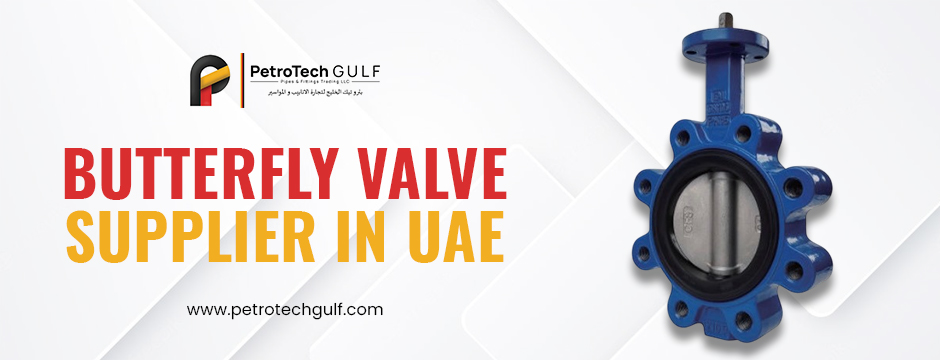
In modern industrial systems, controlling fluid flow efficiently is critical to maintaining safety, productivity, and cost-effectiveness. Among the many valve types available, a Wafer-Type Butterfly Valve stand out for its compact design, reliability, and versatility. These valves are widely used across water treatment, oil refining, and gas distribution systems due to their ability to handle large volumes of fluids with minimal pressure loss.
Their lightweight construction and easy installation make them a preferred choice for engineers and plant operators alike. In this blog, we explore how wafer-type butterfly valves function and why they are indispensable across water, oil, and gas industries.
What is a Wafer-Type Butterfly Valve?
A wafer-type butterfly valve is a quarter-turn valve designed to regulate or isolate the flow of liquids and gases. It consists of a circular disc mounted on a rotating shaft. When the valve is turned, the disc either allows flow (open position) or blocks it (closed position).
The “wafer-type” design refers to how the valve is installed between two pipe flanges. It is held in place using bolts that pass through the flanges, making it lighter and more space-efficient compared to lug-style valves.
Key Features:
Compact and lightweight design
Quick operation (quarter-turn mechanism)
Cost-effective installation
Low maintenance requirements
Why Choose Wafer-Type Butterfly Valves?
Before diving into industry-specific applications, it’s important to understand why these valves are so widely used.
Space Efficiency
In industries where piping systems are complex and space is limited, wafer-type valves offer a compact solution without compromising performance.
Cost-Effectiveness
They are generally more affordable than gate or ball valves, both in terms of initial cost and installation.
Versatility
These valves can handle liquids, gases, and even slurries, making them suitable for multiple industries.
Easy Maintenance
Fewer moving parts mean reduced wear and tear, resulting in longer service life and minimal maintenance.
Applications in the Water Industry
The water industry relies heavily on efficient flow control systems, and wafer-type butterfly valves play a crucial role in this sector.
Water Treatment Plants
In water treatment facilities, these valves are used to regulate the flow of raw and treated water. They help in managing filtration systems, chemical dosing, and distribution networks.
Wastewater Management
Wafer-type butterfly valves are ideal for handling wastewater due to their ability to manage fluids with suspended solids. Their robust design ensures consistent performance even in challenging conditions.
Irrigation Systems
In agricultural irrigation, these valves help control water distribution efficiently. Their quick operation allows farmers to adjust flow rates easily.
Fire Protection Systems
They are also used in fire protection systems to control water supply lines, ensuring quick response during emergencies.
Applications in the Oil Industry
The oil industry operates under extreme conditions, requiring durable and reliable components. Wafer-type butterfly valves meet these demands effectively.
Crude Oil Transportation
These valves are used in pipelines to regulate the flow of crude oil. Their ability to handle high-pressure systems makes them suitable for long-distance transportation.
Refining Processes
In refineries, wafer-type butterfly valves are used to control the flow of various fluids, including crude oil, refined products, and chemicals. Their corrosion-resistant materials ensure longevity.
Storage Facilities
They are commonly installed in storage tanks to manage the inflow and outflow of oil. Their tight sealing capability prevents leaks and enhances safety.
Offshore Platforms
In offshore drilling operations, space and weight are critical factors. The compact design of wafer-type butterfly valves makes them ideal for such environments.
Applications in the Gas Industry
Gas systems require precise flow control and high safety standards. Wafer valves by the butterfly valve supplier in UAE are well-suited for these requirements.
Gas Distribution Networks
These valves are used in pipelines to regulate the flow of natural gas. Their quick shut-off capability is crucial in emergencies.
Compressor Stations
In gas compressor stations, wafer-type butterfly valves help control pressure and flow rates, ensuring efficient operation.
LNG and LPG Systems
They are also used in liquefied natural gas (LNG) and liquefied petroleum gas (LPG) systems, where reliable sealing is essential to prevent leaks.
Power Generation
Gas-fired power plants use these valves to control fuel supply, ensuring consistent energy production.
Advantages Across Industries
While each industry has unique requirements, wafer-type butterfly valves offer several universal benefits:
Fast Operation
The quarter-turn mechanism allows quick opening and closing, reducing downtime during operations.
Tight Sealing
Modern designs provide excellent sealing capabilities, minimising leakage and improving efficiency.
Durability
Made from materials like stainless steel, cast iron, and high-performance polymers, these valves can withstand harsh environments.
Energy Efficiency
Low pressure drop across the valve helps maintain system efficiency, reducing energy consumption.
Limitations to Consider
No industrial component is without its drawbacks, and wafer-type butterfly valves are no exception.
Not ideal for very high-pressure applications compared to ball valves
Disc remains in the flow path, which may cause slight turbulence
Limited throttling precision in some cases
However, for most applications in water, oil, and gas industries, these limitations are minor compared to the benefits they offer.
Choosing the Right Wafer-Type Butterfly Valve
Selecting the right valve is essential for optimal performance. Here are some factors to consider:
Material Selection
Choose materials based on the type of fluid and operating conditions. For example:
Stainless steel for corrosive environments
Cast iron for general applications
Pressure and Temperature Ratings
Ensure the valve can handle the system’s pressure and temperature requirements.
Seal Type
Different sealing materials (EPDM, PTFE, etc.) offer varying levels of chemical resistance and durability.
Actuation Method
Valves can be operated manually or automatically using electric or pneumatic actuators, depending on the application.
Future Trends in Valve Technology
The valve industry is evolving with advancements in technology. Some emerging trends include:
Smart valves with IoT integration for real-time monitoring
Improved materials for enhanced durability
Automation for better control and efficiency
These innovations are making wafer-type butterfly valves even more reliable and efficient for industrial applications.
Wrapping Up
A Wafer-Type Butterfly Valve have become an essential component across water, oil, and gas industries due to its compact design, cost-effectiveness, and versatility. From managing water treatment systems to controlling crude oil pipelines and gas distribution networks, these valves deliver consistent performance in diverse environments. Their ease of installation and low maintenance requirements further enhance their appeal for industrial applications.
If you’re looking for high-quality, reliable butterfly valves tailored to meet the demanding needs of these industries, explore the premium solutions available at PetroTech Gulf.
Contact
location
© 2026. All rights reserved.
Quick links