
Carbon Steel Pipes Installation Guide
Learn key factors before installing Carbon Steel (CS) pipes for durability and efficiency. Trusted insights from PetroTech Gulf.
CS PIPESSTAINLESS STEEL PIPES
7/17/20264 min read
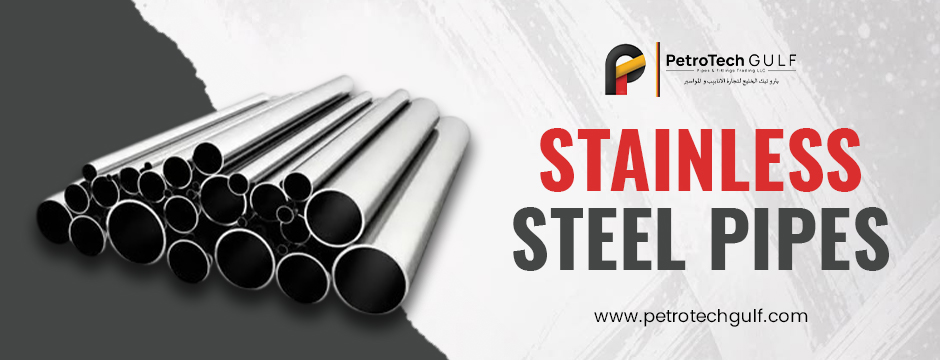
Carbon steel (CS) pipes are among the most widely used piping solutions across industries such as oil and gas, construction, manufacturing, water treatment, power generation, and chemical processing. Their exceptional strength, durability, and affordability make them suitable for transporting liquids, gases, steam, and various industrial fluids. However, the long-term performance of carbon steel pipes depends not only on product quality but also on proper planning before installation.
Choosing the wrong pipe specification or overlooking environmental factors can lead to premature corrosion, costly repairs, reduced efficiency, and safety concerns. Before installing carbon steel pipes, it is essential to evaluate several technical and operational factors to ensure reliability, longevity, and compliance with industry standards.
Understand the Application Requirements
Every piping system is designed for a specific purpose. Before installation, determine exactly how the carbon steel pipes will be used.
Consider the following:
Type of fluid being transported
Operating pressure
Flow rate
Working temperature
Indoor or outdoor installation
Underground or above-ground piping
For example, a pipeline carrying high-pressure steam requires different specifications than one transporting water. Selecting the correct carbon steel grade ensures the piping system performs efficiently throughout its service life.
Select the Appropriate Carbon Steel Grade
Carbon Steel (CS) Pipes are available in different grades, each offering unique mechanical properties.
Common standards include:
ASTM A53
ASTM A106
API 5L
ASTM A333 (low-temperature applications)
Each grade is designed for particular operating conditions. High-temperature industrial systems often require ASTM A106 seamless pipes, while API 5L is commonly used in oil and gas transmission pipelines.
Selecting the appropriate grade improves:
Mechanical strength
Pressure resistance
Service life
Operational safety
Using an unsuitable grade may result in pipe failure under demanding conditions.
Choose Between Seamless and Welded Pipes
One of the first decisions during installation planning is whether to use seamless or welded carbon steel pipes.
Seamless Pipes
Seamless pipes are manufactured without weld joints, making them ideal for:
High-pressure systems
High-temperature environments
Critical industrial applications
Oil and gas operations
Welded Pipes
Welded pipes are suitable for:
Water distribution
Structural applications
Low-to-medium pressure systems
General industrial use
They are generally more economical while providing excellent performance for less demanding applications.
Evaluate Pipe Size and Wall Thickness
Choosing the correct pipe dimensions is critical before installation.
Key considerations include:
Nominal Pipe Size (NPS)
Outside Diameter (OD)
Wall thickness
Pipe schedule (Schedule 40, 80, 160, etc.)
Improper sizing can result in:
Pressure drops
Reduced flow efficiency
Increased pumping costs
Excessive stress on the system
Engineering calculations should always determine the appropriate dimensions based on the system's operating requirements.
Consider Corrosion Risks
Although carbon steel offers excellent strength, it is naturally susceptible to corrosion when exposed to moisture, oxygen, chemicals, or saline environments.
Before installation, assess:
Humidity levels
Chemical exposure
Soil conditions
Coastal environments
Water quality
Protective measures may include:
Epoxy coatings
Galvanization
Polyethylene wrapping
External painting
Internal lining
Cathodic protection systems
Proper corrosion protection significantly extends pipeline lifespan and minimises maintenance expenses.
Assess Temperature and Pressure Conditions
Operating temperature and pressure directly impact pipe selection.
Questions to consider include:
Will the system transport hot fluids?
Is thermal expansion expected?
What is the maximum operating pressure?
Are pressure fluctuations common?
High-temperature applications may require specialised grades and expansion joints to accommodate thermal movement.
Likewise, high-pressure systems demand thicker-walled pipes and stronger fittings to maintain structural integrity.
Ignoring these factors may increase the likelihood of leaks or mechanical failures.
Ensure Compliance with Industry Standards
Industrial piping installations should comply with internationally recognised standards.
Common specifications include:
ASTM
ASME
API
ANSI
ISO
These standards define:
Material quality
Manufacturing methods
Pressure ratings
Testing procedures
Dimensional tolerances
Compliance ensures compatibility between components while maintaining safety and performance throughout the system.
Inspect Material Quality Before Installation
Never install carbon steel pipes without a thorough inspection.
Check for:
Surface cracks
Rust formation
Mechanical damage
Dents
Dimensional accuracy
Manufacturing defects
Quality verification should include:
Material Test Certificates (MTC)
Hydrostatic testing reports
Non-destructive testing (NDT), if required
Visual inspection
Installing damaged pipes can lead to unexpected operational failures even before the system reaches full service.
Plan Proper Pipe Support and Alignment
Incorrect support is one of the leading causes of pipeline stress and premature damage.
Before installation, ensure proper planning for:
Pipe hangers
Anchors
Supports
Expansion loops
Flexible joints
Proper alignment prevents:
Excessive vibration
Pipe sagging
Joint stress
Weld failures
Equipment damage
Engineering support design becomes increasingly important in long-distance industrial piping systems.
A properly designed piping system requires compatible components to maintain strength and reliability during operation. Understanding the role of pipe and pipe fittings can help ensure secure connections and support the efficient movement of fluids through industrial systems.
Think About Future Maintenance
A well-designed installation should allow easy inspection and maintenance.
Consider:
Accessibility of valves
Inspection points
Drainage systems
Isolation sections
Future pipeline expansion
Routine maintenance becomes significantly easier when these factors are incorporated during the initial installation.
Well-planned systems also reduce operational downtime during repairs.
Verify Welding Compatibility
Many Stainless steel pipes systems require field welding during installation.
Before welding:
Confirm material compatibility
Select appropriate welding procedures
Use qualified welders
Follow applicable welding codes
Perform weld inspections
Poor welding practices may introduce weak joints that compromise the entire piping system.
Where necessary, post-weld heat treatment (PWHT) may also be recommended depending on pipe grade and application.
Consider Environmental Conditions
The installation environment greatly affects pipeline performance.
Factors include:
Underground moisture
UV exposure
Saltwater atmosphere
Industrial chemicals
Freezing temperatures
High ambient heat
Environmental assessment helps determine:
Protective coating requirements
Insulation needs
Pipe supports
Material selection
Matching the pipe system to the surrounding environment maximises operational life.
Calculate Total Lifecycle Costs
However, the total lifecycle cost includes:
Installation
Maintenance
Repairs
Downtime
Replacement
Corrosion protection
Investing in higher-quality carbon steel pipes and proper installation often reduces long-term operational expenses significantly.
A well-installed pipeline can deliver decades of reliable service with minimal maintenance.
Final Thoughts
Installing Carbon Steel (CS) Pipes involves much more than selecting the correct diameter or purchasing the lowest-cost material. Factors such as operating pressure, pipe grade, corrosion protection, environmental conditions, installation quality, and compliance with international standards all contribute to the overall reliability and lifespan of the piping system. Careful planning before installation helps reduce maintenance costs, improve operational efficiency, and ensure long-term safety.
For projects requiring premium-quality piping solutions with dependable performance, explore the extensive range of stainless steel pipe products available at PetroTech Gulf. Choosing trusted industrial piping solutions ensures your infrastructure remains durable, efficient, and ready to perform under demanding operating conditions.
Contact
location
© 2026. All rights reserved.
Quick links