Stainless Pipe Fittings Guide | PetroTech Gulf
Avoid common mistakes when buying stainless steel pipe fittings. PetroTech Gulf shares expert tips for choosing durable, reliable fittings.
PIPE FITTINGSPIPE AND PIPE FITTINGS
7/3/20264 min read
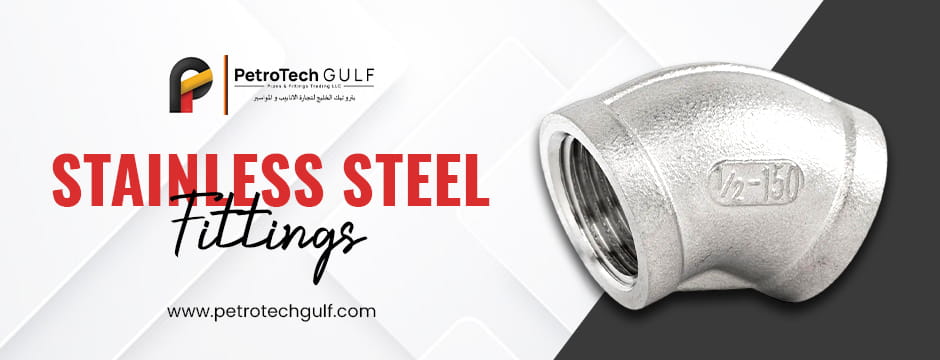
Stainless steel pipe fittings play a crucial role in ensuring the safety, durability, and efficiency of industrial piping systems. Whether used in oil and gas, petrochemical plants, water treatment facilities, or manufacturing industries, selecting the right fittings directly impacts system performance and longevity.
However, many buyers focus solely on price or availability, overlooking critical factors such as material grade, pressure ratings, compatibility, and quality certifications. These mistakes can lead to premature failures, expensive repairs, operational downtime, and safety risks. Understanding the common pitfalls before purchasing stainless steel pipe fittings helps you make informed decisions and invest in products that deliver reliable, long-term performance.
Why Choosing the Right Stainless Steel Pipe Fittings Matters?
Pipe fittings are much more than simple connectors. They regulate flow, change pipeline direction, connect different pipe sizes, and maintain leak-proof operations under varying temperatures and pressures.
A poor purchasing decision may result in:
Corrosion and premature wear
Leakage and pressure loss
Increased maintenance costs
Production downtime
Safety hazards
Frequent replacement expenses
Knowing what mistakes to avoid helps businesses maximise operational efficiency while reducing long-term costs.
Choosing Based Only on Price
One of the biggest mistakes buyers make is selecting the cheapest available fittings.
Although lower-priced fittings may appear attractive initially, they often compromise on:
Raw material quality
Manufacturing standards
Dimensional accuracy
Mechanical strength
Corrosion resistance
Inferior fittings may fail much sooner than premium products, leading to expensive maintenance and replacement costs.
Instead of focusing only on purchase price, consider the total lifecycle cost.
Ignoring Stainless Steel Grade Selection
Not every stainless steel grade performs the same under different operating conditions.
For example:
SS304 works well for general industrial applications.
SS316 offers superior corrosion resistance in marine and chemical environments.
Duplex stainless steel performs better in high-pressure and highly corrosive conditions.
Selecting the wrong material grade can significantly reduce equipment life and increase maintenance requirements.
Always evaluate:
Operating temperature
Chemical exposure
Moisture levels
Chloride concentration
Pressure conditions
before choosing the fitting material.
Not Checking Pressure and Temperature Ratings
Every fitting is designed to operate within a specified pressure and temperature range.
Many buyers assume that if the fitting physically fits the pipe, it will perform correctly. Unfortunately, this assumption can lead to dangerous failures.
Always verify:
Pressure class
Working temperature
Design pressure
Application requirements
Using an underrated fitting may result in deformation, leakage, or catastrophic failure under operating conditions.
Purchasing Without Verifying Industry Standards
Reliable stainless steel fittings comply with internationally recognised manufacturing standards.
Check whether the fittings meet standards such as:
ASTM
ASME
ANSI
MSS
ISO
Certified products ensure consistency in:
Dimensions
Material composition
Mechanical properties
Pressure handling
Quality control
Buying uncertified products increases operational risks and may create compliance issues.
Ignoring End Connection Type
Selecting the wrong connection type is another common purchasing mistake in stainless steel pipe fittings.
Common options include:
Threaded Fittings
Suitable for smaller pipe sizes and applications where easy installation or removal is required.
Butt Weld Fittings
Ideal for high-pressure, high-temperature industrial systems requiring permanent, leak-resistant joints.
Socket Weld Fittings
Frequently used in medium-pressure applications where strong joints are necessary.
Choosing the wrong connection type increases installation complexity and may reduce overall system reliability.
Overlooking Dimensional Accuracy
Even high-quality materials cannot compensate for poor dimensional precision.
Improper dimensions can cause:
Leakage
Misalignment
Welding difficulties
Installation delays
Increased labor costs
Always confirm that fittings match the required:
Pipe schedule
Diameter
Wall thickness
Tolerance specifications
Precision manufacturing contributes significantly to long-term pipeline performance.
Not Requesting Material Test Certificates
Many buyers overlook documentation during procurement.
Material Test Certificates (MTCs) verify:
Chemical composition
Mechanical properties
Heat number
Manufacturing batch
Inspection results
These certificates assure that the fittings meet specified quality requirements.
Without proper documentation, buyers have little proof regarding product authenticity and compliance.
Ignoring the Supplier's Reputation
Even premium-grade stainless steel can become a poor investment if sourced from unreliable suppliers.
A trusted stainless steel fittings supplier offers:
Consistent product quality
Proper certifications
Technical assistance
Reliable inventory
Timely delivery
After-sales support
Before purchasing, evaluate:
Customer reviews
Industry experience
Product range
Certifications
Technical expertise
Working with established suppliers minimises procurement risks.
Buying Without Considering Future Maintenance
Some buyers focus only on current installation needs while ignoring future maintenance requirements.
Consider factors such as:
Ease of replacement
Spare part availability
Standardized sizes
Accessibility
Selecting standardised fittings simplifies maintenance and reduces future operational disruptions.
Choosing the right fittings is essential for maintaining reliable piping performance in industrial environments. The correct combination of pipes and fittings can support efficient fluid transport, reduce potential leakage points, and improve the overall safety of the piping system.
Using Incompatible Materials
Mixing incompatible metals within a piping system can accelerate corrosion.
Galvanic corrosion may occur when dissimilar metals come into contact in the presence of an electrolyte.
Always verify compatibility between:
Pipes
Valves
Flanges
Fasteners
Pipe fittings
Maintaining material compatibility improves service life and system reliability.
Ignoring Corrosion Conditions
Environmental conditions significantly influence fitting performance.
Factors that affect corrosion include:
Saltwater exposure
Chemicals
Acids
High humidity
Industrial pollutants
Choosing the correct stainless steel grade based on the operating environment helps prevent pitting, crevice corrosion, and stress corrosion cracking.
Skipping Visual Inspection Before Purchase
Before accepting delivery, inspect the fittings for:
Surface defects
Cracks
Rust spots
Poor finishing
Incorrect markings
Physical damage
Visual inspection helps identify manufacturing defects before installation and prevents unnecessary project delays.
Tips for Buying High-Quality Stainless Steel Pipe Fittings
To make a smart purchasing decision:
Buy from trusted industrial suppliers.
Verify international certifications.
Select the correct stainless steel grade.
Match pressure and temperature ratings.
Confirm dimensional accuracy.
Request Material Test Certificates.
Ensure compatibility with the existing piping system.
Consider long-term maintenance requirements.
Inspect products before installation.
Balance quality with overall lifecycle cost instead of choosing solely based on price.
Final Thoughts
Buying stainless steel pipe fittings is an investment in the safety, efficiency, and longevity of your piping system. Avoiding common mistakes such as selecting the wrong material grade, ignoring certifications, overlooking pressure ratings, or purchasing solely based on price can save significant time and money over the life of your project.
Partnering with an experienced supplier ensures access to high-quality threaded and buttweld fittings that meet demanding industrial requirements. For reliable oil field products and premium stainless steel pipe fittings, explore PetroTech Gulf, where quality, performance, and industry compliance come together to support your industrial piping needs.
Contact
location
© 2026. All rights reserved.
Quick links